Wandsworth council bulky waste rules rubbish disposal fines
Posted on 12/10/2026
Wandsworth council bulky waste rules rubbish disposal fines: what residents need to know
If you have an old sofa by the front door, a broken washing machine in the hallway, or a pile of flat-pack leftovers that has somehow become "temporary," you are not alone. Bulky waste has a habit of building up quietly, then suddenly becoming the thing everyone wants dealt with yesterday. This guide to Wandsworth council bulky waste rules rubbish disposal fines explains how the process works, what can go wrong, and how to stay on the right side of local waste rules without creating extra stress for yourself.
The short version? Put the right items out the right way, use approved disposal routes, and be careful with fly-tipping, overfilled pavements, and leaving waste where it should not be. Simple enough on paper. In real life, not always. Let's break it down clearly.
Why Wandsworth council bulky waste rules rubbish disposal fines Matters
Bulky waste rules matter because a single careless disposal can trigger a much bigger problem than most people expect. A mattress left beside a bin, a wardrobe dumped outside a block, or garden furniture put out on the wrong day can create obstruction, attract complaints, and in the worst cases lead to enforcement action. Nobody wants that, least of all when the fix would have taken ten minutes of planning.
There is also a practical side to this. Wandsworth's streets, like many parts of London, are dense and busy. Space is tight. Shared accessways get blocked easily. Neighbours notice mess fast. In a place where bins are often close together and frontages are narrow, even a small amount of bulky rubbish can become a problem for everyone on the street.
Fines are not the only risk, either. If waste is fly-tipped or left in a way that looks abandoned, it can be treated seriously. Residents sometimes think, "It's just one chair" or "the council will sort it out eventually." That is usually the kind of assumption that causes trouble. Better to treat bulky waste as a managed disposal job, not a casual leave-it-for-later task.
Key takeaway: the safest approach is to use approved bulky waste collection routes, keep pavements clear, and never assume that putting items outside automatically counts as legal disposal.
How Wandsworth council bulky waste rules rubbish disposal fines Works
At a practical level, bulky waste disposal in Wandsworth usually comes down to three things: what the item is, how it is presented, and which service or disposal route you use. Some items are straightforward, like a broken table or a worn-out armchair. Others need more care, especially anything with electrical parts, refrigerants, sharp edges, or contaminated materials.
The rules are designed to keep waste moving safely and legally. That means bulky items should not be left randomly on the street, in communal hallways, or beside shared bins unless there is a proper collection arrangement. If a property is in a managed block, there may also be building-specific rules about where items can be left and when access routes must stay clear. This sounds obvious, but it's one of those details people miss when they are in a rush.
Where fines come in is when waste is disposed of incorrectly. Council enforcement can apply where rubbish is dumped on public land, left to obstruct others, or disposed of in a way that breaches local waste controls. There may also be consequences if a homeowner or landlord uses an unlicensed waste carrier and the waste is later found dumped elsewhere. That's the nasty one, because you can still be asked to explain yourself even if you thought someone "had it covered."
If you are using a private waste collection company, check that they are properly authorised to carry waste and that they issue the right documentation. Our waste carrier licence and compliance guidance covers why that matters and what to look for before handing over your items.
For mixed household loads, many people also prefer a flexible local collection rather than trying to fit everything into a single council slot. That can be especially useful if you are dealing with old furniture, bags of general rubbish, and a white goods item at the same time. In those cases, understanding the full range of disposal options can save a fair bit of time and faff.
Key Benefits and Practical Advantages
Following the right bulky waste process is not just about avoiding fines, although that is certainly part of it. There are a few very real benefits that people notice almost immediately.
- Less risk of enforcement issues: if items are removed through an approved route, there is much less chance of complaints or penalties.
- Cleaner access and safer walkways: this matters in shared blocks, narrow terraces, and busy streets where one badly placed item can block everything.
- Better time control: once a collection is booked or arranged, the job stops hanging over you.
- Less accidental fly-tipping risk: if waste is handled properly, it is far less likely to end up dumped by someone else.
- Better sorting and recycling: many items can be separated for reuse or material recovery instead of being treated as general rubbish.
There is also a quieter benefit that people don't always mention: it makes the home feel calmer. Old furniture stacked in a spare room or hallway creates visual noise. Once it is gone, the space feels bigger. Cleaner. More manageable. Funny how that happens.
If you are clearing out after a move, tenancy change, refurbishment, or bereavement, the emotional side matters too. You often want the space sorted without another layer of admin. A clear disposal plan helps with that more than people realise.
For residents looking at broader household disposal support, domestic waste collection in Wandsworth can be a useful starting point when ordinary bin collections are not enough.
Who This Is For and When It Makes Sense
This topic is relevant to a lot of people, not just landlords or people doing major clear-outs. In practice, bulky waste rules matter any time an item is too large for normal bins or too awkward to leave casually on the street.
You will usually want to pay close attention if you are:
- moving house and need to clear old furniture quickly
- replacing a sofa, bed, wardrobe, or table
- disposing of a broken washing machine, fridge, or other appliance
- handling a rental turnover and clearing left-behind items
- managing waste from a renovation or decorating project
- dealing with garden furniture, shed contents, or outdoor clutter
- helping an older relative downsize, where items have built up over years
It also makes sense for people in flats or shared homes, where one person's decision can affect everyone. A bulky item left in a communal area can get in the way of residents, cleaners, and emergency access. That is where things get awkward fast. You don't really want your old mattress becoming everyone else's Monday problem.
For larger home clearances, a more structured service may be more appropriate than piecemeal disposal. If that sounds familiar, the house clearance service in Wandsworth and furniture removal options may be worth reviewing depending on what needs to go.
Step-by-Step Guidance
If you want the simplest possible route through Wandsworth council bulky waste rules rubbish disposal fines, use a methodical approach. It saves time, and it reduces the chance of making a small mistake that turns into a bigger one.
1. Identify exactly what needs disposing of
Make a quick list. Separate furniture, appliances, garden waste, and mixed rubbish. A sofa and a fridge are both "bulky," but they may need different handling. That little bit of sorting upfront matters more than people think.
2. Check whether anything can be reused or donated
If an item is still in decent condition, reuse is often the cleanest solution. A chair with a broken leg is not reusable in the same way as a sturdy table, of course, but it is worth being honest about condition before tipping everything into the disposal pile.
3. Confirm the correct disposal route
Depending on the item and your circumstances, you may choose council collection, a licensed private collection, a specialist appliance disposal route, or a broader clearance service. The right option depends on volume, timing, and what sort of waste you have.
4. Keep access clear
Do not block entrances, pathways, fire exits, or shared hallways. If the collection is from outside your property, place items only where they are meant to go and only when instructed to do so. That part is boring, yes, but it is exactly where many problems start.
5. Separate hazardous or special items
Some items need extra care. White goods may contain electrical components or refrigerants. Anything with sharp edges or broken glass should be secured properly. Paint, chemicals, and similar materials are usually not just another bit of rubbish. They need separate handling.
6. Keep proof of collection or disposal
If you use a private company, keep the receipt, job record, or written confirmation. It is a simple habit, and a very good one. If questions come up later, you will be glad you kept it.
7. Follow up if the waste is not removed
If a collection is missed or delayed, do not just leave the items hanging about indefinitely. Rebook, move them safely if appropriate, and make sure they are not becoming a nuisance or enforcement risk.
For people who are also comparing service levels and pricing, pricing and quotes can help set expectations before you book anything.
Expert Tips for Better Results
Here are the practical things that tend to make the biggest difference, based on the kind of jobs that go smoothly and the ones that get messy.
- Measure awkward items before booking: large wardrobes, sectional sofas, and oversized appliances can be harder to remove than people expect.
- Group similar waste together: mixed piles take longer to sort, and slower collections often cost more in time and labour.
- Photograph the items in advance: this helps when getting a quote and reduces the chance of "surprise" extra charges later.
- Be clear about access: stairs, parking restrictions, basement levels, or long walks from the vehicle all affect the job.
- Plan around neighbours: early mornings, school runs, and bin day are not ideal times to create a blockage outside a property.
One small detail that often gets overlooked: if you are clearing a flat, tell the collection team about lifts, codes, concierge rules, or loading restrictions. The removal team can only work quickly if they know what they are walking into. And to be fair, nobody enjoys discovering a locked service gate halfway through the job.
If you are dealing with heavier or awkward loads, it may be useful to pair bulky waste collection with specialist removal for certain items. For example, white goods and appliance disposal in Wandsworth can be the neatest route for fridges, freezers, and washing machines, while builders waste removal may suit post-renovation debris better.
Common Mistakes to Avoid
Most avoidable problems fall into a handful of patterns. Once you know them, they are easy enough to spot.
- Leaving items out too early: this creates clutter, attracts complaints, and can look like illegal dumping.
- Assuming all waste is the same: appliances, mixed rubbish, and bulky furniture often need different handling.
- Using an unlicensed collector: this can become your problem if the waste is later dumped elsewhere.
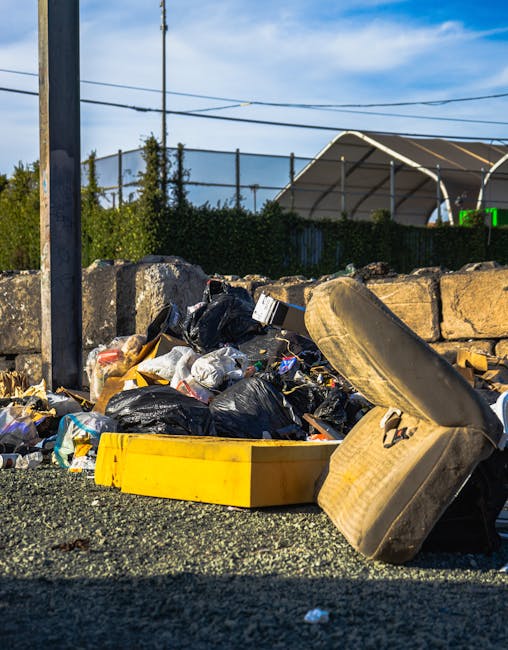
- Blocking shared access: hallways and pavements are not storage areas, even for one night.
- Not checking collection requirements: some services want items dismantled, separated, or placed in a specific location.
- Forgetting proof of disposal: it's the boring paperwork bit, but it matters if anything is queried.
Another common issue is the "I'll sort it next week" approach. Truth be told, bulky waste has a way of multiplying when it sits around. One bag becomes three. One chair becomes a mini obstacle course. Then everyone starts stepping around it like it is part of the furniture. Not ideal.
Tools, Resources and Recommendations
You do not need specialist equipment for every bulky waste job, but a few simple tools make the work easier and safer.
- Measuring tape: useful for checking whether items will fit through doors, lifts, and stair turns.
- Gloves: helpful when handling old furniture, broken items, or sharp edges.
- Strong bags or ties: useful for grouping loose bits and keeping small waste from scattering.
- Basic screwdriver or wrench: handy if a bed frame or table needs dismantling.
- Phone camera: useful for quote requests, condition checks, and proof of collection.
From a planning point of view, it also helps to know which type of clearance you actually need. A single-item collection is one thing. A mixed load from a flat after a tenancy change is another. A full home clear-out after years of accumulation is something else entirely. Matching the service to the problem avoids overpaying or under-choosing.
If you want to understand the wider range of services available, start with the services overview and then narrow it down based on your waste type. For local readers interested in how disposal fits into a wider sustainability approach, recycling and sustainability is also worth a look.
Law, Compliance, Standards, or Best Practice
This part matters, because waste disposal is not just a logistics issue. It sits inside a wider UK framework around duty of care, legal disposal, and preventing fly-tipping. You do not need to be a legal expert to get this right, but you do need to act sensibly and keep records where appropriate.
Best practice usually includes using a properly authorised waste carrier, checking what happens to the items after collection, and ensuring waste is not left in a way that causes nuisance or obstruction. If you are a landlord, managing agent, or business, the expectations are often higher because you may have extra responsibilities around premises and waste control.
There is also a difference between what is technically allowed and what is wise. For example, leaving bulky waste in a shared area might not seem like a huge deal to one household, but it can quickly become an access issue for residents, cleaners, delivery drivers, and emergency services. So yes, the rules matter. But the everyday practical side matters too.
For businesses, the standards are usually even stricter in practice because commercial waste should be handled through suitable, documented routes. If that is your situation, commercial waste removal in Wandsworth may be a better fit than a general household arrangement.
Insurance and safety are worth mentioning as well. Moving large items can cause injuries or property damage if done badly. That is why it helps to work with teams who think beyond just lifting and loading. Insurance and safety should never be an afterthought, especially for heavier furniture or appliance removal.
Options, Methods, or Comparison Table
If you are deciding how to dispose of bulky items, the best option usually depends on time, quantity, and how much effort you want to spend. Here is a simple comparison to make the choice less painful.
| Method | Best for | Advantages | Watch-outs |
|---|---|---|---|
| Council bulky waste collection | Residents with a small number of large items | Recognised local route; straightforward for simple jobs | May need booking; item rules and timing can be specific |
| Licensed private collection | Flexible or urgent clearances | Often faster; can handle mixed loads and awkward access | Must verify licensing and disposal standards |
| Specialist appliance removal | Fridges, freezers, washing machines, cookers | Good for heavy or technical items | Some appliances need special handling |
| Full house clearance | Downsizing, tenancy changes, bereavement, large clear-outs | Efficient for multiple room contents | Can be overkill for one or two items |
| DIY disposal at a facility | People with transport and time | Direct control over sorting and timing | Loading, parking, and trip time can be a hassle |
For many households, a mixed approach works best. One appliance via specialist disposal, furniture via a clearance team, and small waste in regular bins. That's normal. You do not need to force everything into one channel just because it feels tidier on paper.
Case Study or Real-World Example
Here is a simple real-world style example that shows where people often get caught out.
A couple in a Wandsworth flat decides to replace a sofa, a bed frame, and a washing machine after a move. They think about leaving the old items near the building entrance for collection "just for a bit." Then the lift is busy, the weather turns damp, and the corridor starts looking untidy. Neighbours notice. The concierge asks for items to be moved. One item gets pushed aside, another blocks a fire door for an hour, and the whole thing becomes more stressful than the original move.
What would have worked better? They could have sorted the items by type, arranged a proper collection window, confirmed access details in advance, and kept the hallway clear until collection time. That would have reduced the risk of complaints, made removal faster, and avoided the embarrassing shuffle of moving a sofa at 7:30 in the morning while half-awake. Not exactly a glamorous start to the day.
In cases like this, furniture and appliance-specific services are often the cleanest route. A clear disposal plan means less handling, less guesswork, and fewer opportunities for a small mistake to snowball.
Practical Checklist
Use this checklist before you arrange bulky waste disposal in Wandsworth.
- Identify each bulky item and separate it by type.
- Check whether any item can be reused, donated, or repaired.
- Measure large items and note access restrictions.
- Confirm whether the item needs special handling.
- Choose the correct collection or disposal route.
- Verify the company's licence and safety standards if using a private carrier.
- Take photos of the waste for records and quotes.
- Keep pathways, entrances, and fire exits clear.
- Place items out only when instructed and in the correct location.
- Keep proof of collection or disposal.
- Follow up promptly if a collection is missed.
If you can tick most of those off, you are already ahead of the curve. Honestly, that's half the battle.
Conclusion
Wandsworth council bulky waste rules rubbish disposal fines are really about one simple principle: dispose of large items in a controlled, lawful, and considerate way. Do that, and most of the problems people worry about simply do not happen. Leave items casually, use the wrong route, or trust the wrong carrier, and the risks rise quickly.
The good news is that this is very manageable once you know the process. Sort the waste, choose the right collection method, keep access clear, and keep a record. That's the practical formula. No drama. No guesswork. Just a cleaner space and a lot less stress.
If you are planning a clear-out, comparing collection options, or trying to avoid costly mistakes, take a little time to plan it properly. It pays off fast, and usually sooner than you expect.
Get a free quote today and see how much you can save.
And if all you needed was a nudge in the right direction, consider this it. A tidy home and a clear pavement are small wins, but they do make life feel lighter.